Here you have two presentations about Baroque art. You can o¡use them as a reference to learn about the main features and most important art works of every artist:
Showing posts with label Baroque project. Show all posts
Showing posts with label Baroque project. Show all posts
Tuesday, October 6, 2015


Saturday, November 22, 2014
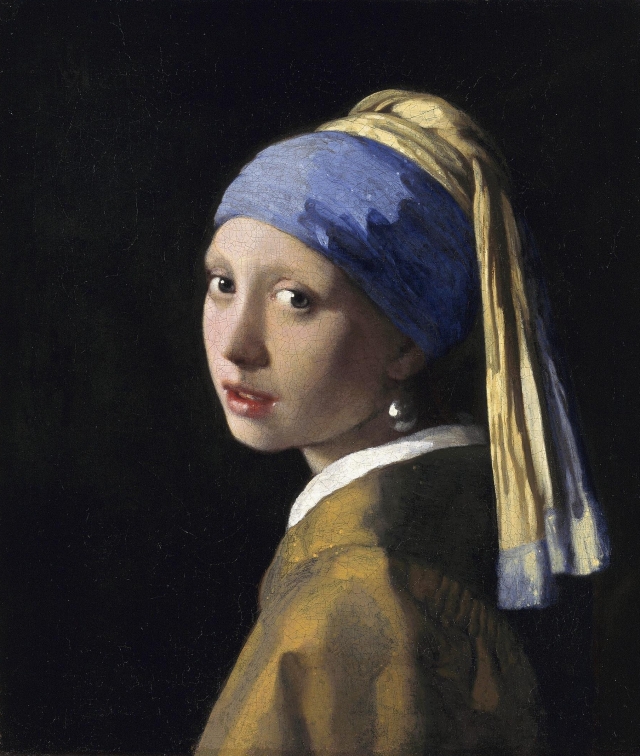
THE GIRL WITH A PEARL EARRING, VERMEER
The Girl with a pearl earring was
painted by Johannes Vermeer. The author was born in 1632 and he died in 1675 in
the Low Countries. The current documentation shows that Vermeer wasn't a
famous painter in his period despite now is the most representative Dutch figure
of the 17th century. Probably Vermeer is famous due to his way of painting with strength
in their compositions and for the use of clear and shiny colours.Vermeer represents daily life scenes in his paintings.


We can
distinguish the contrasts and the shadows, the background is darkest than the
foreground because the painter used contrast of lights and colours to show the woman
better and in a first ground.
The painting
had, obviously, Baroque features: use of oil painting, predominance of colour
over drawing, warm colours, contrasts, movement…
Nobody knows
who the girl is, but there are some ideas of who can be:
-His older daughter,
Maria.
-The daughter
of his commissioner who had the same aspect as the girl in the painting.
-Griet, the
servant.
Vermeer made more paintings like The Girl with a pearl earring: The Girl with a flute and Study of a Young Woman. The three were included in the Dissius catalogue of 1696 due to their representations.
Sources:
I have found the photos in these sources.
THE FOUNTAIN OF TREVI, NICOLA SALVI
In 1629 the Pope Urban VIII asked Bernini for
renovations for the Trevi fountain but he abandoned the project when the Pope
died. So, Nicola Salvi continued with the work with some ideas of Bernini, but
he died in 1751 before he finished the sculpture. Finally, the Fountain of Trevi was finished in 1762
by Guissepe Pannini.
The sculptor used travertine marble to build
the sculpture becaus it is the material with most predominance in Rome. The
dimensions are very big (25’9 meters high and 19’8 meters width). The Fountain of Trevi is represented by
Neptuno in his carriage with two horses which are leaving the water where we
can see two tritons. Behind the sculpture of Neptuno there is a precious façade
standing out a representative figure.

In the Baroque, the sculptors wanted to capture
fleeting moments to cause emotions, so in the Fountain of Trevi the sculptor
located the sculptural scene on a fantastic waterfall sculpted in travertine
marble. The sculptor wanted to represent movement; he used curved lines and
cloth folds to intensify the sensation of movement. All these features corresponding
to Baroque, we can see which coincide with the elements of the sculpture, the Fountain of Trevi.
The Fountain of Trevi was emptied to check the state of the
monument in 2012 and finally the Rome’s mayor said that a global reformation was necessary. The reformation supposed a lot of money and finally the
reformations were inaugurated in 2014. While the reformations the visitors
could see the fountain, there wasn’t any problem to see it.

Sources:
I have
looked for in a project of a tourism degree.
For the
photosà
Thursday, November 20, 2014
The Surrender of Breda, Velázquez. Nuria Iniesta
The Surrender of Breda, Diego Velázquez.
It was completed during the years 1634–1635, inspired by Velázquez's visit to Italy with Ambrogio Spinola, the Genoese general who conquered Breda on June 5th of 1625.
This painting was a assignment to Velázquez from Philip IV. In the early 1630s, a massive project to build and decorate a new palace for Philip IV was underway outside of Madrid.


http://ep00.epimg.net/ccaa/imagenes/2013/10/21/madrid/1382381507_853821_1382383386_noticia_normal.jpg
This painting is a perfect representation of the collection of atmospheric and chromatic light.

This painting shows the third day after the battle between Spain and the Netherlands. The work is not focused on the battle itself, but rather in the reconciliation. That’s why both armies, the Spanish on the right and the Dutch on the left, although days before were killing each other in battle, here they share a peaceful atmosphere, which contrasts with the smoke coming up from fires at the background.
The canvas is divided into five horizontal bands, which are the foreground, the area of activity and focus, a view of Breda in the distance, the countryside and the blue sky and horizon. The horizon is very high, and represents the threatening atmosphere there is due to the conflict between the Spanish and the Breda peoples. All bands except for the one with the two peoples are painted in rather muted and dark colors to represent the sadness and tension of the Breda militaries. A line of vertical spears behind the Spanish is balanced by the Dutch weapons being closer to the left to show a diagonal approach of the Spanish. At the main focus the commander of the Dutch army, Justin Nassau, gives the keys of the city to Spinola. The key represents the key of the painting as a whole, locking all other components into place. On the right is the tilted flag, and below the horse's legs, the document of surrender is in the lowest right. On Nassau, his white ruff and sleeves represent surrender of his town. The whole picture represents Velazquez's attempt to snapshot what actually happened, showing how one officer is staring at the viewers and another is gazing at the distant sky. He did this to make the viewers believe that the painting was an actual capture of what happened during the capture of Breda.
Details of The Surrender of Breda.


Traditional scenes of surrender in early modern Europe, generally the winner was showed raised above the vanquished.
In this painting we can recognize different features of the Baroque style, like: movement, use of olil painting, predominance of colour over drawing, use of warm colours, contract of light and shadow, complex compositions in order to shock the curdience (asymmetry, curved lines), realism in representations…
Diego Velázquez


Salvador Dalí, created in 1958 a work entitled Velázquez Painting the Infanta Margarita With the Lights and Shadows of His Own Glory. The color scheme shows Dalí's serious tribute to Velázquez.


Velázquez is called the "painter of painters".
Sources:
Atlas ilustrado de la Historia del Arte, Susaeta.
Historia del Arte, Vicens Vives. J. R. Triadó Tur, M. Pendás García, X. Triadó Subirana.
http://es.wikipedia.org/wiki/Diego_Vel%C3%A1zquez
http://es.wikipedia.org/wiki/La_rendici%C3%B3n_de_Breda
http://www.artehistoria.jcyl.es/v2/obras/31.htm
It was completed during the years 1634–1635, inspired by Velázquez's visit to Italy with Ambrogio Spinola, the Genoese general who conquered Breda on June 5th of 1625.
This painting was a assignment to Velázquez from Philip IV. In the early 1630s, a massive project to build and decorate a new palace for Philip IV was underway outside of Madrid.
Philip IV

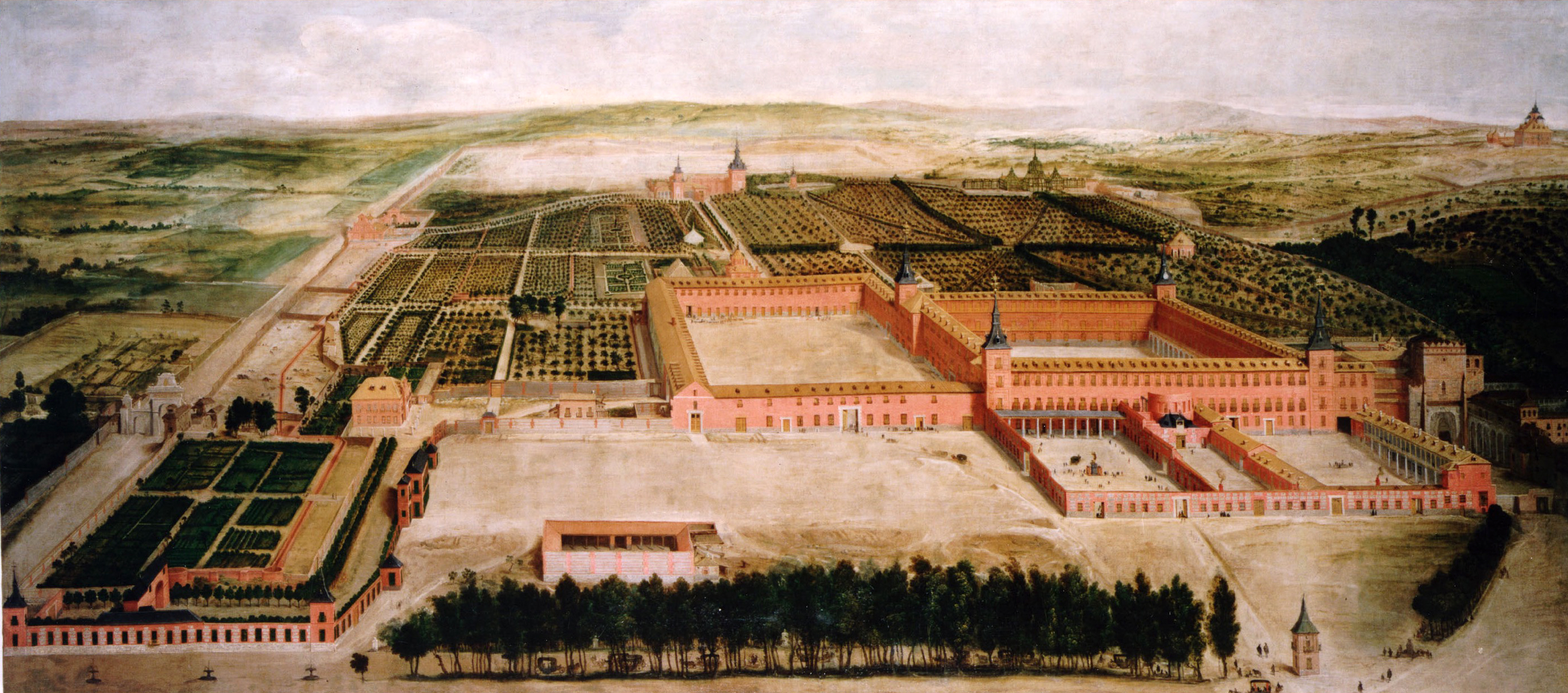
Called Buen Retiro, the palace was intended as a retreat for the king and his court. In addition to the temporary spectacles that were there, Buen Retiro came to house a big collection of art by some of the greatest painters of 17th century in Spain.
Drawing of the Buen Retiro Palace
http://ep00.epimg.net/ccaa/imagenes/2013/10/21/madrid/1382381507_853821_1382383386_noticia_normal.jpg
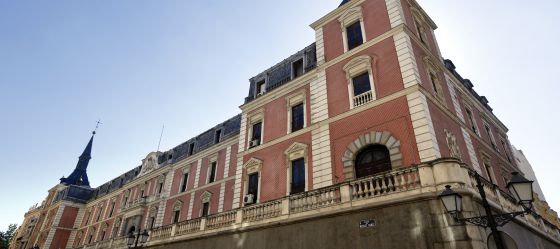
Among the works commissioned for the palace was a series of twelve paintings for the Hall of Realms, where royal audiences and other ceremonies took place. The paintings, by different artists, depicted recent Spanish victories.
Technical data:
- Type: Oil on canvas.
- Dimensions: 307 cm x 367 cm (121 in x 144 in).
- Location: Museo del Prado, Madrid, Spain.
The Surrender of Breda commemorates the capture of the city of Breda during the Eighty Years’ War, a conflict between Spain, which controlled the Low Countries, and the Dutch, who were fighting for political independence.
This painting is a perfect representation of the collection of atmospheric and chromatic light.

This painting shows the third day after the battle between Spain and the Netherlands. The work is not focused on the battle itself, but rather in the reconciliation. That’s why both armies, the Spanish on the right and the Dutch on the left, although days before were killing each other in battle, here they share a peaceful atmosphere, which contrasts with the smoke coming up from fires at the background.
The canvas is divided into five horizontal bands, which are the foreground, the area of activity and focus, a view of Breda in the distance, the countryside and the blue sky and horizon. The horizon is very high, and represents the threatening atmosphere there is due to the conflict between the Spanish and the Breda peoples. All bands except for the one with the two peoples are painted in rather muted and dark colors to represent the sadness and tension of the Breda militaries. A line of vertical spears behind the Spanish is balanced by the Dutch weapons being closer to the left to show a diagonal approach of the Spanish. At the main focus the commander of the Dutch army, Justin Nassau, gives the keys of the city to Spinola. The key represents the key of the painting as a whole, locking all other components into place. On the right is the tilted flag, and below the horse's legs, the document of surrender is in the lowest right. On Nassau, his white ruff and sleeves represent surrender of his town. The whole picture represents Velazquez's attempt to snapshot what actually happened, showing how one officer is staring at the viewers and another is gazing at the distant sky. He did this to make the viewers believe that the painting was an actual capture of what happened during the capture of Breda.
Details of The Surrender of Breda.


In this painting we can recognize different features of the Baroque style, like: movement, use of olil painting, predominance of colour over drawing, use of warm colours, contract of light and shadow, complex compositions in order to shock the curdience (asymmetry, curved lines), realism in representations…
Diego Velázquez
He was a Spanish painter who was the main artist in the court of King Philip IV and one of the most important painters of the Spanish Golden Age. He was an individualistic artist of the contemporary Baroque period, important as a portrait artist.
http://www.nndb.com/people/913/000071700/velazquez-sm.jpg
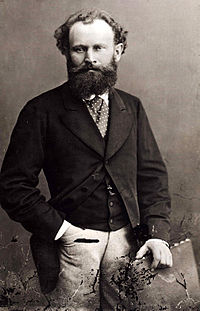
Velázquez is often cited as a key influence on the art of Édouard Manet, important when considering that Manet is often considered the bridge between realism and impressionism.

The importance of Velázquez's art even today is evident, considering the respect with which 20th century painters consider his work.
Pablo Picasso presented a homage to Velázquez in 1957 when he recreated Las Meninas in 58 variations, in his characteristically cubist form.
Édouard Manet.
Pablo Picasso presented a homage to Velázquez in 1957 when he recreated Las Meninas in 58 variations, in his characteristically cubist form.


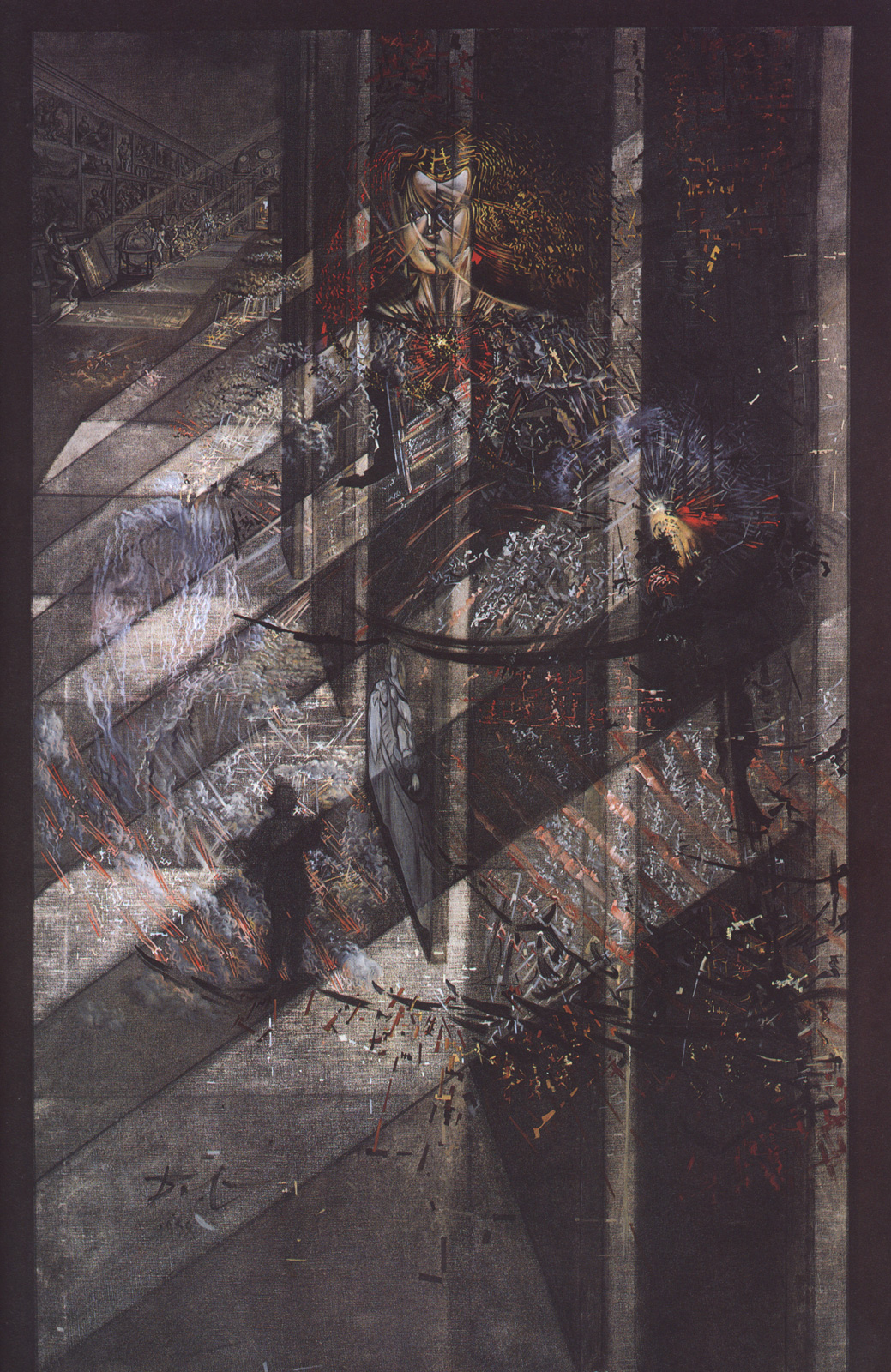
The Anglo-Irish painter Francis Bacon found Velázquez's portrait of Pope Innocent X to be one of the greatest portraits ever made. He created several expressionist variations of this piece in the 1950s. One such famous variation, entitled Figure with Meat (1954), shows the pope between two halves of a bisected cow.


Velázquez is called the "painter of painters".
Sources:
Atlas ilustrado de la Historia del Arte, Susaeta.
Historia del Arte, Vicens Vives. J. R. Triadó Tur, M. Pendás García, X. Triadó Subirana.
http://es.wikipedia.org/wiki/Diego_Vel%C3%A1zquez
http://es.wikipedia.org/wiki/La_rendici%C3%B3n_de_Breda
http://www.artehistoria.jcyl.es/v2/obras/31.htm
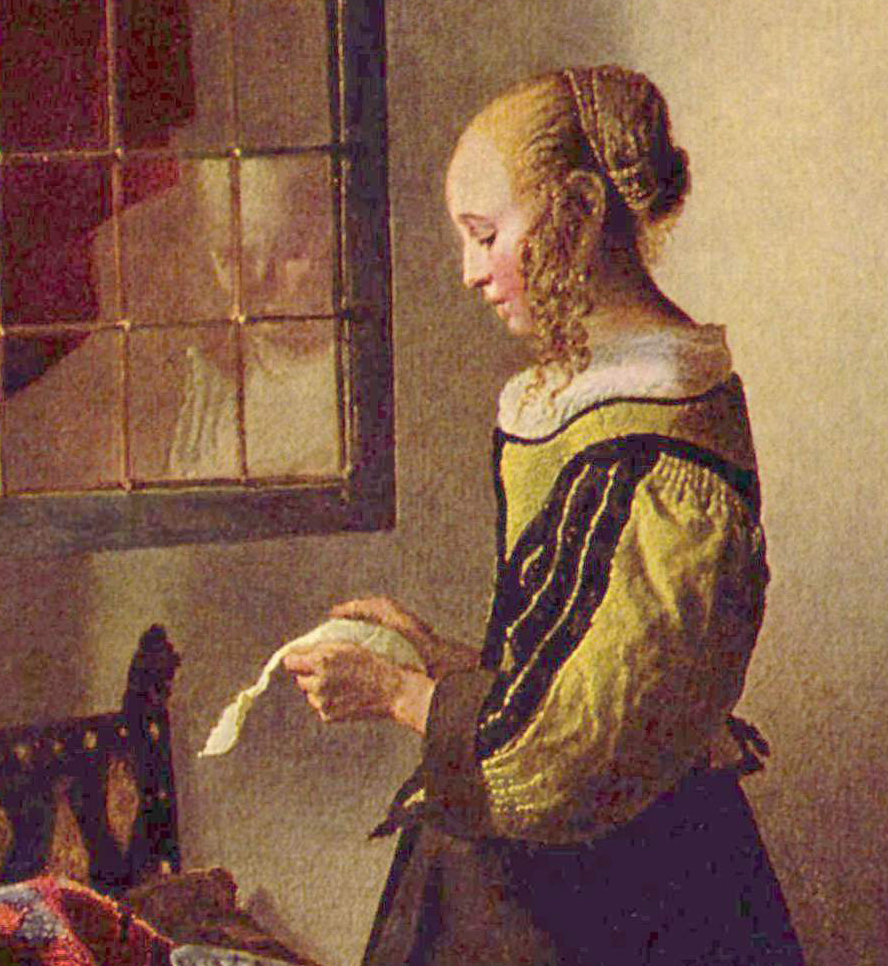
Girl Reading a Letter, Vermeer

Now this painting is at the Gemädegalerie in Dresde. But this painting before it was attributed to Vermeer in 1680 this painting was attributed to two painters, who were:
-Rembrandt in 1742
-Pieter de Hooch in 1826
As I have already said this painting is an oil painting on canvas, the style used by Johannes Vermeer in this painting is very similar to the style used by Rembrandt in his paintings and this is why in 1742 Augustus III of Poland attributed this painting to Rembrandt.
Apart from this, with respect to the technique Vermeer used for this painting it is very usual in Baroque Art, he used a dense brushstroke in the light, with enough impact, and more diluted painting in the shades. Also related with the techniques he uses; he uses like Rembrandt we can observe certain visible "pentimenti" in diverses places of the picture, for example in the right angle in the skirt of the protagonist, testifying that Vermeer changed the composition during the development of the painting.
 The picture shows us the corner of a room, with the presence of a woman, reading a letter opposite to an opened window. Although the woman is not in front of the view of the people it is possible to see her face thanks to the reflection of the crystals of the window. The figure occupies a small space in comparison with the total size of the painting. In the first ground a table covered by a carpet appears. This carpet and this plate with fruits are the same that we can see in other works of the same artist.
The principal simbol of this painting is the presence of the opened window, it indicates the desire of the lady to be opening to the exterior world.
One of the most apparent pictorial features in this painting of the Baroque style in this painting is the "chiaroscuro". It consists of making effect of light on objects and prominent figures, creating a few effects promoted of lights and shades to call the attention of the people.
To end with this project, I have to say that the importance of this painting in the history of art is that this painting represents the beginning of Pointillism.
SOURCES
Other things I have written are said by me analyzing a little the
painting.
The Waterseller of Seville
The Waterseller of Seville, by Velázquez

http://es.wikipedia.org/wiki/El_aguador_de_Sevilla
The Waterseller of Seville is a Baroque painting by the Spanish painter Diego Velázquez (he was the main representative painter of Baroque
in the Hispanic Monarchy) The painting was finished in 1620 and nowadays it’s
located in The Wellington Museum in
London. The story of why the painting is in London
is the following: At first the painting was a present for the
priest Juan de Fonseca and it
was used to let him in the Court of Madrid, then Ferdinand VII gave the
painting as a present for the British general Arthur Wellesley to show gratitude for the British collaboration in the Peninsular
War.
It belongs
to the Baroque movement and it also belongs to the first painting stage of
Velázquez, in this stage he painted many paintings which have religious and ordinary themes (as this one)
The dimensions of the painting are: 106 x 82 cm and its technique is Oil on canvas (predominant since the Renaissance)
The painting is representing a daily situation, in which a waterseller, a young boy and a man in the background drinking something, are represented. The theme of the painting is simple: the portrait of a waterseller but there’s a theory that says that this painting is like an allegory of the three ages of the man. And there is also a theory that says that the young boy is the same boy who appears in another Velázquez’s painting: Old Woman Frying Eggs

http://es.wikipedia.org/wiki/El_aguador_de_Sevilla
Velázquez
in this painting used a large range of brown and ochre colors, and also the
contrast between the dark background and the foreground is an important feature
of the
Waterseller of Seville. The composition is complex, because the
painting is divided like in two triangular blocks, on one side we have the
triangle in which the heads of the men are, and on the other side we have the
triangle in which the two vases and the glass of water are.
There’s a
detail inside the glass of water:

(I have made this photo)
As a painting of the Baroque period, The Waterseller of Seville, has many Baroque’s painting features: The painter received a lot of influence by the Italian painter Caravaggio through copies of his works which came from Italy to the Iberian Peninsula.
- A great realism (you only have to see the great detail of the glass of water of the dents of the vane)
- Contrast of light and shadow
- Complex composition
- The technique was oil on canvas
A curiosity about the Waterseller of
Seville is that Velázquez made three different versions of the painting:

(I have made this photo)
SOURCES
- http://en.wikipedia.org/wiki/The_Waterseller_of_Seville_(Vel%C3%A1zquez)
- http://totallyhistory.com/diego-velazquez/
- http://www.arteespana.com/velazquez.htm
- http://www.miguelgual.com/lasimagenes/comentarios/60Barroco/Velazquez/El%20Aguador%20de%20Sevilla.htm
- http://www.artehistoria.jcyl.es/v2/obras/25.htm
- Book of “Artis, Historia del Arte (Bachillerato Segundo Curso)”
- “Espasa enciclopedia”
Saint Hugo of Grenoble in the Carthusian Refectory, Francisco de Zurbarán.
This painting was started by Francisco de Zurbarán in
1655. The painting was for the “Painters Professional Asociation” of Seville. It
was painted in Seville, one year later after Zurbarán’s arrival to the city. It
was commissioned by the Fine Arts Museum of Seville.

Source: http://blogs.artinfo.com/secrethistoryofart/2011/03/02/inside-the-masterpiece-zurbarans-saint-hugo-in-the-refectory/
This painting has a size of 267x320 cm. The material
used is oil painting, technique that was predominant in the Baroque. The
painting is found in the Fine Arts Museum in Seville.
This painting represents a miracle that happened in
the Carthusian Refectory. They were seven, and Saint Bruno was the founder of
the Carthusian and they all ate due to Saint Hugo’s (bishop of Grenoble)
generosity. One Sunday, he sent them meat. Like they weren’t used to eat meat,
this brought them to a discussion of the abstinence, and while they arguing
they all became asleep. This dream lasted all the Lent, till the third day of
the Holy Week, the Wednesday. That day, the Carthusian woke up and Saint Hugo
visited them, and then suddenly, the meat transformed into ashes. This moment
is interpreted like an approbation of the abstinence of meat.
As this painting is baroque it presents the following
characteristics:
- · Use of oil painting. This painting is made with oil painting only.
- · Predominance of colour over drawing. We can observate a lot of colour in this Zurbarán’s painting, just the opposite as in Renaissance Art.
- · Warm colours, contrast, realism, movement, complex competitons to stoch the audience. We perceive the sensation of movement in the painting, and also we perceive the absence of cold colours: they’re all warm. Realism is also present, and that imply the sensation of movement.
Another interesting information is that the White
Colour of the Carthusian’s clothes reaches 100 different hues.
Here you have a portrait of Francisco de Zurbarán:

Source: http://es.wikipedia.org/wiki/Francisco_de_Zurbar%C3%A1n
My encyclopedia of art.
Blessed Ludovica Albertoni, Gian Lorenzo Bernini.
This famous sculpture was made in Rome, and Bernini
started making it in 1671 and finished it in 1674. The sculpture was
commissioned by the Church of San Francesco a Ripa in Rome. Then, it was placed
in the left part of the church, in the Altieri Chapel.
This is a sculpture made with only one material:
marble. It represents Ludovica Albertoni, a roman noblewoman who lived a pious
life, and who worked to the poor of Tratesvere neighborhood under the San
Francesco Church, where she was buried in 1533. This woman is represented on a
mattress in the moment of mystical communion with God, that’s because he’s got
her hand in her chest and that exhausted face. She’s represented with clothes
similar to nun’s. This sculpture is so realistic: the face of Ludovica shows an
state of ecstasy because her soul is gathering with God. In his sculpture, concentrates a lot of light. Bernini thought
in everything: he designed an architectural setting that focuses attention and
light in the sculpture. There is a painting behind the sculpture painted by
Baciccio.

Source: https://www.flickr.com/photos/te_whiu/6120984019/
As is a Baroque sculpture, we observate the following
features:
- · The sculpture represent movement: it represents the movement of Ludovica Albertoni while she’s reuniting her soul with God.
- · The sculpture cause a sensation of emotion because it represent a fleeting moment: it’s a very unsual position because the movement is due to divine nature, and for that it causes us emotion.
- · We can observate curved lines over all the sculpture but above all in the Ludovica Albertoni’s clothes.
- · The sensation of movement in the sculpture is intensify by cloth folds over all the sculpture. They are recognized easily, for that we have a big sensation of movement when we see at first sight the sculpture.

Source: http://en.wikipedia.org/wiki/Blessed_Ludovica_Albertoni
There is another interesting information about the
sculpture:
Bernini lasted so much in finishing this famous
sculpture, from 1671 to 1674. Three years. This was due because he concentrated
the majority of his work in other two works: The Tomb of Pope Alexander VII and
The Altar of the Blessed Sacrament in St. Peter’s Basilica.
Here there is a portrait of Bernini:

Sources: http://www.biografiasyvidas.com/biografia/b/bernini.htm
Other sources used: http://en.wikipedia.org/wiki/Blessed_Ludovica_Albertoni
http://www.italianways.com/the-ecstasy-of-blessed-ludovica-albertoni/
The Holy Family with a Bird, Bartolomé Esteban Murillo
THE HOLY FAMILY WITH A BIRD
The Holy Family with a Bird was painted by Bartolomé Esteban Murillo (1617-1682), Baroque painter from Seville. This painting was one of his most important paintings. It was painted around 1650. The Holy Family with a Bird is nowadays in El Prado Museum in Madrid, and Murillo used an oil technique over canvas to paint it. The painting’s size is 144 x 188 cm and it belongs to the Baroque style.

Bartolomé
Esteban Murillo
The painting's name comes from the little bird Jesus is showing to the dog and it represents the Holy Family as a normal family. The child, Jesus, who is the
most important figure of the painting, is playing with a bird and a dog, it seems that he is
happy. As he is the most important figure, he is painted in brighter colours.
On the left, we can see his mother, the Virgin Mary, who has stopped working
to look at his son, and on the right his father, Saint Joseph, who is also
looking at him. As you can see, the painting represents movement (the child
playing, the dog…), colour is predominant over drawing and the colours are
dark. The scene seems peaceful and calm. As you can see, the light that illuminates
the picture enters from the left side, and it only illuminates the figures, the
background is really dark and doesn’t allow to see that the house is simple and
humble. The figures of this painting are very realistic and perfect.

Source: http://www.artble.com/artists/bartolome_esteban_murillo/paintings/the_holy_family_with_a_little_bird
We can observe that this painting is from the Baroque
period because the painter uses contrasts in colours, this technique, known as “Chiaroscuro”, was usually used in the
Baroque paintings, to make them more realistic and perfect. Murillo uses other
techniques in this painting, mentioned above.
One curiosity is that Saint Joseph didn’t have much
importance in art, it was thought that he didn't educated Jesus well, but with the Counter-Reformation the devotion to him grew
considerably. This devotion was promoted by some religious institutions that inspired it since the 16th century. In this work, Murillo stands out
Saint Joseph’s value as a worker person and represents him as an ideal father.
Sources I used to make this project:
In both projects, I've used Wordreference to search the words I didn't know.
Facade of Obradoiro, Fernando Casas Novoa
FACADE OF OBRADOIRO IN SANTIAGO OF
COMPOSTELA
The Facade of Obradoiro, which
is a work of art from the Baroque period, was built by Fernando Casas Novoa in
Santiago of Compostela, between 1738 and 1750. The Catholic Church commissioned this facade.
This beautiful building has a great use nowadays. As you should know, an old tradition tells that this cathedral is the sepulcher of the apostle Saint James. This transformed the building in one of the principal places of pilgrimage in Europe during the Middle Ages. At present, it is also an important place of pilgrimage and every year that the 25th of July (Day of Santiago) is Sunday, there is a Jubilee Year, many pilgrims go to the cathedral and there is an important mass.
The main material used in this work of art was the gray
granite, which was the main material used in the Baroque architecture. Glass
was also used in this work.
The Facade of
Obradoiro has really big large windows that allow light to illuminate the
old Romanic facade, and it is between the Bell’s
Tower and the Carraca’s Tower. In
the middle of the facade, the apostle Santiago is represented, and below him
his two disciples, Athanasius and Theodore, all of them dressed as pilgrims. In
the middle there is also a glass case, representing Santiago’s sepulcher, and a
star between angels and clouds. On the right tower, María Salomé (Saint James’s
mother) is represented and on the left tower, Zebedee, his father. This work is
in a square, the Square of Obradoiro, this
is why the facade was called in this way. The cathedral has really big proportions, it is 74 metres high.

The Facade of
Obradoiro is a Baroque work of art because the images represented on it
give a lot of movement to the building. It also has curved lines, games of
lights and shadows… The images of the building are also very realistic and
perfect.
One curiosity is that the coins of 1, 2 and 5 cents have the Cathedral of Santiago drawing in one of
their sides.
Sources used in this projectc:
Subscribe to:
Posts (Atom)