Hi there !! Today, I have to do the journal. Well, I had to do it yesterday, but I couldn't, so I changed it with Sara. Thanks !!
Well, today it has been a... "special" class. Paqui has brought some letters about people who were living in the trenches every day due to the war. The letters were really shocking. Here you have some of the letters we have read (in Spanish)
CARTA DE UN SOLDADO BRITÁNICO
2 mayo 1918
Cariño mío
Ahora, si no hay problemas, vas a saber todo sobre lo que pasa aquí. Sé que te llevarás una gran sorpresa cuando te llegue esta carta (espero que te llegue sin contratiempos). ¡Si alguna autoridad la ve...! Claro, tú has supuesto bien dónde tendría mi primera experiencia en la línea. Sí, fue en el saliente de Yprès... Oh!, el de aquella noche fue un encantador "bautizo de fuego". Teníamos que excavar y temprano en la mañana comenzó el ametrallamiento. Oh Señor, si alguna vez alguien tuvo miedo, absolutamente aterrorizado, a la muerte, ese alguien era el muchacho que yo soy. Uno de mi sección se asustó al ver una granada caer a dos metros de nuestra trinchera justo cuando alguien con instinto de líder iba hacia una cima; yo, sin embargo, me quedé quieto como una roca: éramos doce hombres cuando entramos en combate; salí con tres... Oh! Eso fue horrible.
Supongo que te gustará saber cómo está aquí el ánimo de los hombres. Bien, la verdad es que (y como te dije antes, me fusilarán si alguien de importancia coge esta misiva) todo el mundo está totalmente harto y a nadie le queda ya nada de lo que se conoce como patriotismo. A nadie le importa un rábano si Alemania tendrá Alsacia, o si la tendrá Bélgica o Francia. Lo único que cada uno quiere es acabar con esto e irse a casa. Ésta es honestamente la verdad, y cualquiera que haya estado aquí en los últimos meses te dirá lo mismo. De hecho, y esto no es una exageración, la mayor esperanza de la gran mayoría de los hombres es que los disturbios y las protestas en casa obliguen al gobierno a acabar con esto como sea. Ahora ya sabes el real estado de la situación.
Yo también puedo añadir que he perdido prácticamente todo el patriotismo que me quedaba, sólo me queda pensar en los que estáis allí, en todos a los que amo y que confiáis en mí para que haga el esfuerzo que sea necesario para vuestra seguridad y vuestra libertad. Esto es lo único que me mantiene y me da fuerzas para soportarlo todo. En cuanto a la religión, que Dios me perdone, no ocupa ni uno entre un millón de todos los pensamientos que cada hora inundan la mente de los hombres.
Dios te bendiga, cariño, y a todos los que amo y me aman, porque sin su amor y confianza, desfallecería y fracasaría. Pero no te preocupes, corazón mío porque seguiré hasta el final, así éste sea amargo o dulce, con el amor siempre como mi primer pensamiento y cuidado, mi guía inspiradora y mi aliciente.
Au revoir mi amor, y que Dios te mantenga segura hasta que amaine la tormenta, con el amor más profundo de todo mi corazón. Tu amor,
Laurie
--------------------------------------------------------------------------------------------------------------------------------------------------------------------------------------------
CARTAS DE SOLDADOS FRANCESES
Fuera, con los pies inmediatamente enterrados, sacudo trozos de barro glacial que me pesan en las manos... Retomo mi marcha, las piernas abiertas, atravesando la tierra blanda de los desprendimientos, sondeando prudentemente el fango que tapa los hoyos. Y pese a todo, a veces, el sitio hacia el que lanzado mi impulso se hunde, el barro aspira mi pierna, la agarra, la paraliza; debo hacer un gran esfuerzo para liberarla. Del fondo del agujero que se ha llenado en seguida de agua, mi pie saca un lío de cables en el que reconozco la línea telefónica. Justamente ahí aparece el telefonista encargado de reparar las líneas, trae la cara contraída por las agujas heladas de la lluvia: "¡Vaya desbarajuste! ¡No se ha conservado nada ahí dentro! ¡Sólo hay barro y cadáveres!". Sí, cadáveres. Los muertos en los combates de otoño, que habían sido enterrados someramente en el parapeto, aparecen a trozos en los desprendimientos de tierra"
Paul Tuffrau
---------------------------------------------------------------------------------------------------------------------------------------------------------------------------------------------
Carta de un soldado francés. Verdún, marzo 1916
Esos tres días pasados encogidos en la tierra, sin beber ni comer: los quejidos de los heridos, luego el ataque entre los boches (alemanes) y nosotros. Después, al fin, paran las quejas; y los obuses, que nos destrozan los nervios y nos apestan, no nos dan tregua alguna, y las terribles horas que se pasan con la máscara y las gafas en el rostro. ¡Los ojos lloran y se escupe sangre! Después los oficiales que se van para siempre; noticias fúnebres que se transmiten de boca en boca en el agujero; y las órdenes dadas en voz alta a 50 metros de nosotros; todos de pie; luego el trabajo con el pico bajo las terribles balas y el horrible ta-ta-ta de las ametralladoras."
--------------------------------------------------------------------------------------------------------------------------------------------------------------------------------------------
Marne, 8/9/1914
Mi pequeñina,
Marie, naciste ayer, todavía no te he visto y sin embargo, ya te conozco. Esto no debería existir, un padre que no haya visto aún a su hija.
La guerra no es como las historias que le contaba a tu hermano. Por otra parte, ya no quiero contar más ese tipo de historias.
Tu tío está conmigo. No le gusta escribir, pero le gustaría poder hablarte.
Estamos bien y no estamos heridos. Desde hace dos días, los hombres caen uno tras otro en el barro y ni siquiera tienen derecho a tener una sepultura digna. Nuestro día a día está lleno de sangre y tierra. Somos muertos vivientes, sepultados vivos bajo la tierra. La tierra nos cubre por completo, está omnipresente, en nuestras ropas, en nuestros jergones, incluso en nuestra comida.
La guerra es una pesadilla infinita.
---------------------------------------------------------------------------------------------------------------------------------------------------------------------------------------------
Artois, 2/4/1915
En las trincheras, vivimos entre el barro. Hay tierra por todas partes, en nuestros pañuelos, en nuestros bolsillos, en nuestras ropas e incluso en lo que comemos. Además, hace mucho frío y hay mucha humedad.
Aquí las ratas son especialmente repugnantes, por lo gordas que son.
A pesar de todo, atacamos bastante a menudo las trincheras enemigas, pero esto produce muchos muertos en nuestro regimiento, por los obuses, las granadas, los lanzallamas,..
Cada tarde tenemos que ir a buscar a los muertos y los heridos a ese infierno llamado « tierra de nadie ».
---------------------------------------------------------------------------------------------------------------------------------------------------------------------------------------------
Douaumont 26/27 !916
Querida mía
Aprovecho estos dos días de descanso para escribirte. Esto no es agradable: es un infierno, especialmente sin ti.
Ayer participé en una gran ofensiva. Tuvimos que trepar, arrastrarnos, correr, saltar y he sobrevivido. La mitad de mi regimiento ha muerto y de los que sobrevivieron, al menos la mitad están heridos.
Llueve mucho, por lo que estamos tan sucios como tú nunca me permitirías ir. Mis cabellos están llenos de piojos y no nos afeitamos. Me he enterado de que nos llaman los « peludos ».
Las balas silban tan rápido como las vidas se apagan
-------------------------------------------------------------------------------------------------------------------------------------------------------------------------------------------
CARTA DE UN ESTUDIANTE ALEMÁN DESDE EL FRENTE
Una y otra vez quiero deciros algo: vosotros, que permanecéis en la patria, no olvidéis cuán horrible es la guerra. No dejéis de rezar. Actuad con seriedad. Abandonad toda superficialidad. Arrojad de teatros y conciertos a los que ríen y bromean mientras sus defensores sufren y se desangran y mueren. De nuevo he vivido durante tres días (del 1 al 4 de enero) la más sangrienta y horrible batalla de la historia, a doscientos metros del enemigo, en una trinchera provisional excavada a toda pria. Durante tres días y tres noches han caído granadas y más granadas: estallidos, silbidos, sonidos guturales, gritos y gemidos ¡Malditos aquellos que nos condujeron a esta guerra!
---------------------------------------------------------------------------------------------------------------------------------------------------------------------------------------------
Verdún, 18 de marzo de 1916
Querida mía,
Te escribo para decirte que no creo que vuelva de la guerra. Por favor, no llores, sé fuerte. En el último ataque perdí mi pie izquierdo y la herida se ha infectado. Los médicos dicen que sólo me quedan unos días de vida. Cuando te llegue esta carta, puede que ya haya muerto. Te voy a contar cómo fui herido: hace tres días nuestros generales nos ordenaron atacaR. Fue una carnicería absolutamente inútil. Al comienzo del ataque éramos 20.000. Después de cruzar las alambradas, ya sólo quedábamos 15.000. En ese momento me hirieron. Unobús cayó cerca de mí y un trozo de metralla me arrancó el pie izquierdo. Perdí el conocimiento y no me desperté hasta un día más tarde, en la enfermería. Más tarde supe que de los 20.000 soldados que empezaron el ataque, sólo 5.000 sobrevivieron, gracias al repliegue ordenado por Pétain.
En tu última carta me dijiste que habías quedado embarazada tras mi permiso de hace dos meses. Cuando nazca nuestro hijo, dile que su padre murió como un héroe luchando por Francia. Y sobre todo, asegúrate de que nunca entre en el ejército, para que no muera de una forma tan estúpida como la mía.
Te quiero. Espero que podamos vernos en la otra vida, te doy las gracias por todos los maravllosos momentos que me has hecho pasar, te querré siempre.
Adiós,
Soldado Charles Guinant
--------------------------------------------------------------------------------------------------------------------------------------------------------------------------------------------
Le Chemin des Dames 26/4/1917
Mentiría si no confesase que un gran número de nuestros compañeros se han hecho barrer como un montón de polvo después de un bombardeo durante la pasada noche. Es un milagro que todavía esté vivo para escribiros.
!Pero al menos como un héroe, como dirían nuestros queridos dirigentes ! !Probablemente sea sólo un campesino, pero no soy idiota ! !Como podrás comprobar, estoy indignado ! !Las órdenes son cada vez más ridículas ! ¿Cómo esperan que lancemos otra ofensiva cuando nos estamos muriendo de enfermedades, de cansancio o simplemente estamos muertos? !Es vergonzoso que se nos sacrifique de esa manera !
El gobierno nos ha mentido en todos los sentidos. Según ellos, íbamos a ganar rápidamente y ya somos millones de muertos y heridos.
Esta guerra sólo se sustenta sobre mentiras y traiciones. Ojalá se termine pronto.
---------------------------------------------------------------------------------------------------------------------------------------------------------------------------------------------
Mi querida Lucie,
Cuando te llegue esta carta, ya me habrán fusilado. Ésta es la razón: el 27 de noviembre, hacia las 5 de la tarde, tras un violento bombardeo de dos horas, en una trinchera en primera línea de frente, cuando nos estábamos acabando la sopa, unos alemanes llegaron a la trinchera y nos hicieron prisioneros a mí y a otros dos compañeros. Aproveché un momento de confusión para escaparme. Seguí a mis compañeros, pero después fui acusado de abandonar mi puesto en el frente.
Ayer juzgaron a 24 de nosotros en un consejo de guerra. Seis de nosotros, incluyéndome a mí, fueron condenados a muerte. No soy más culpable que los otros, pero necesitan dar ejemplo a los demás. El ejército te enviará mis efectos personales.
Me despido de ti por última vez con prisa, con lágrimas en los ojos y el alma en pena. Te pido perdón por todo el dolor que voy a causarte y el aprieto en que voy a meterte.
Mi pequeña Lucie, una vez más, perdón.
Voy a confesarme y espero verte en un lugar mejor. Muero inocente del delito de abandono de puesto del que se me acusa. Si en lugar de escapar de los alemanes me hubiera quedado como su prisionero, habría salvado la vida. Es una fatalidad
Mi último pensamiento es para ti, hasta el final.
Henri Floch
--------------------------------------------------------------------------------------------------------------------------------------------------------------------------------------------
Habiendo acabado con la Guerra, hago esta declaración como un acto de desafío a la autoridad militar, porque creo que la guerra está siendo deliberadamente prolongada por los que tienen el poder de terminarla. Soy un soldado, convencido de actuar de parte de los soldados. Creo que esta guerra, en la cual entré creyendo que era una guerra de defensa y liberación, se ha convertido en una guerra de agresión y conquista. Creo que los objetivos por los cuales yo y mis camaradas habíamos entrado en esta guerra deberían haber sido tan claramente declarados que hubiera hecho imposible cambiarlos, y que, como esto ha ocurrido, los objetivos que nos obligaron a actuar ahora deberían ser alcanzados por la negociación.
He visto y he aguantado el sufrimiento de las tropas, y no puedo por más tiempo ser partidario de prolongar estos sufrimientos para unos fines que creo son malos e injustos. No protesto contra la dirección de la guerra, pero sí contra los errores políticos y la falta de sinceridad con los combatientes que están siendo sacrificados. De parte de los que sufren hago esta protesta contra el engaño de que están siendo víctimas; también creo que puedo ayudar a destruir la complacencia insensible con la cual la mayoría de aquellos que en casa apoyan la continuación de las agonías que no conocen, y que ellos no tienen la imaginación suficiente de advertir.”
Siegfried Sassoon, 15 de junio 1917, leída en la Cámara de los Comunes en Londres el 30 de julio.
-------------------------------------------------------------------------------------------------------------------------------------------------------------------------------------------
Querida Léonie
He confiado esta última carta a manos amigas y espero que te llegue algún día para que puedas saber la verdad y porque quiero dar testimonio del horror de esta guerra.
Cuando llegamos aquí, la llanura era magnífica. Hoy, las orillas del Aisne parecen el país de la muerte. La tierra está toda revuelta, quemada. El paisaje no es más que un campo de ruinas. Nosotros estamos en las trincheras de primera línea. Además de las balas, las bombas y las alambradas, están las minas y la perspectiva de saltar por los aires en cualquier momento. Nuestros uniformes se caen a pedazos. Chapoteamos en el barro, un barro arcilloso, espeso, pegajoso, del que es imposible desembarazarse. Las trincheras se derrumban con los obuses y sacan a la luz esqueletos y cráneos. El olor es apestoso.
Echamos de menos todo: el agua, las letrinas, la sopa… Estamos mal avituallados, nuestros platos están vacíos. Sólo tomamos una comida por la noche, que llega fría por la distancia que separa las cocinas de los túneles. Ni siquiera nos queda tabaco o un poco de caldo o un trago de aguardiente para calentarnos.
Salimos a combatir con la bayoneta en el fusil. Es muy difícil moverse, con cascos de chapa de acero pesado e incómodo, pero que nos protege de las piedras que rebotan, y cargados con todos los bártulos contra los gases tóxicos. Hemos participado en ofensivas a ultranza que han acabado fracasando en montañas de cadáveres. Estos incesantes combates nos han dejado exhaustos y desesperados. Los desgraciados lisiados que el mundo mirará con un aire desdeñoso a su vuelta ¿sólo tendrán derecho a una pequeña condecoración para recompensarles por la pérdida de un brazo o de una pierna? Esta guerra nos parece a todos una infame e inútil carnicería.
El 16 de abril el general Nivelle lanzó un nuevo ataque en Chemin des Dames. Fue un fracaso, un desastre. ¡Había muertos por todas partes! Conforme yo iba avanzando, no existían sentimientos: el miedo, el amor, no tenían ningún sentido. Sólo importaba seguir adelante, correr, disparar y por todas partes los soldados caían gritando de dolor. Las pendientes de acceso llenas de árboles eran ásperas. Perdido en la niebla, vagué con el fusil en la espalda, con el sudor chorreándome por la espalda. El campo de batalla me daba náuseas. Un verdadero osario se extendía a mis pies. Bajé la colina pasando por encima de cuerpos descoyuntados, con un odio terrible apoderándose de mí
Ese ataque sembró la confusión en todos los “peludos” y reforzó nuestra desilusión. Desde entonces, ya no soportamos los sacrificios inútiles, las mentiras del Estado Mayor. Todos los combatientes están desesperados, muchos han desertado y nadie quiere continuar. Circulan octavillas para incitarnos a dejar las armas. La semana pasada el regimiento entero se negó a salir otra vez de la trinchera. Nos hemos negado a continuar atacando, pero no a defendernos.
Entonces, encargaron a nuestros oficiales que nos juzgasen. Me han sometido a un consejo de guerra excepcional, sin posibilidad de recurso. La sentencia me ha caído como una losa: mañana seré fusilado para dar ejemplo, con seis de mis camaradas, por negarme a obedecer. Ejecutándonos, nuestros superiores tienen como objetivo ayudar a los combatientes a reencontrar el gusto por la obediencia. No creo que lo consigan.
¿Comprendes, Léonie querida, que no soy culpable, sino una víctima de la justicia expeditiva? Voy a acabar en la fosa común de los muertos vergonzosos, los olvidados de la historia. No moriré en el frente, sino con los ojos vendados, al alba, arrodillado ante el pelotón de ejecución. Siento mucho el dolor y la vergüenza que mi triste fin te causará.
Es tan difícil saber que no te volveré a ver nunca y que mi hija crecerá sin mí… Concebir a esta niña antes de mi partida al combate fue una locura dulce y bonita, pero hoy, dejaros solas a las dos me parte el corazón. Os pido perdón por abandonaros.
Prométeme, amor mío, que no contarás a la pequeña Jeanne las circunstancias exactas de mi muerte. Dile que su padre cayó como un héroe en el campo de batalla, háblale de la bravura y la valentía de los soldados y si un día la memoria de los “peludos” fusilados para dar ejemplo es rehabilitada, lo que no creo, entonces, si lo consideras necesario, enséñale esta carta.
No dudéis nunca de mi honor y mi valor, porque Francia nos ha traicionado y Francia nos va a sacrificar.
Prométeme también, mi dulce Léonie, que cuando el tiempo haya aliviado tu dolor, no renunciarás a ser feliz, a sonreír a la vida. Mi muerte será así menos cruel. Os deseo a las dos, mis mujercitas, toda la felicidad que merecéis y que no podré daros. Os envío un beso, con el corazón al borde de las lágrimas. Vuestros maravillosos rostros, grabados en mi memoria, serán mi último consuelo antes del fin
Eugène, tu marido que te quiere tanto.
All this letters were censored, so they didn't arrive to their destination. They all talk about what war is and how they felt there, because those who were at the back and those who were at rearguard would revolt and wouldn't support the war. My letter talked about two French men who lived there, in the war and about a man who wrote to his wife because his daughter was born and he was fighting there. Some people cried while we were reading the letters.Even Paqui has cried a bit. But this is very very normal. This is what a war is about: Suffering, fear and dead. Lots of dead. For us only a number, but we can't imagine the amount of people who died in the war. And this is the truth about the war: suffering and fear, not what we study at high school.
Then, we have listened to a song that was forbidden at that time. It was called: " La chanson de la Craonne"
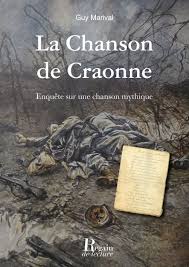


Then, we have listened to a song that was forbidden at that time. It was called: " La chanson de la Craonne"
http://www.regaindelecture.com/pub/Couv-Craonne-01-1.jpg
Here you have a video with the song:
And finally, Paqui has read some quotes of a book she was brought. It is called "Fear", by Gabriel Chevalier
http://estaticos02.elmundo.es/elmundo/imagenes/2009/04/12/1239542424_extras_ladillos_1_0.jpg
http://i.telegraph.co.uk/multimedia/archive/02046/fear-cover_2046102f.jpg
And that's all for today. BYE !!!
NEW VOCABULARY
Howitzer shell: Obús
Shrapnel: Metralla
Censored: Censurado